
 admin
admin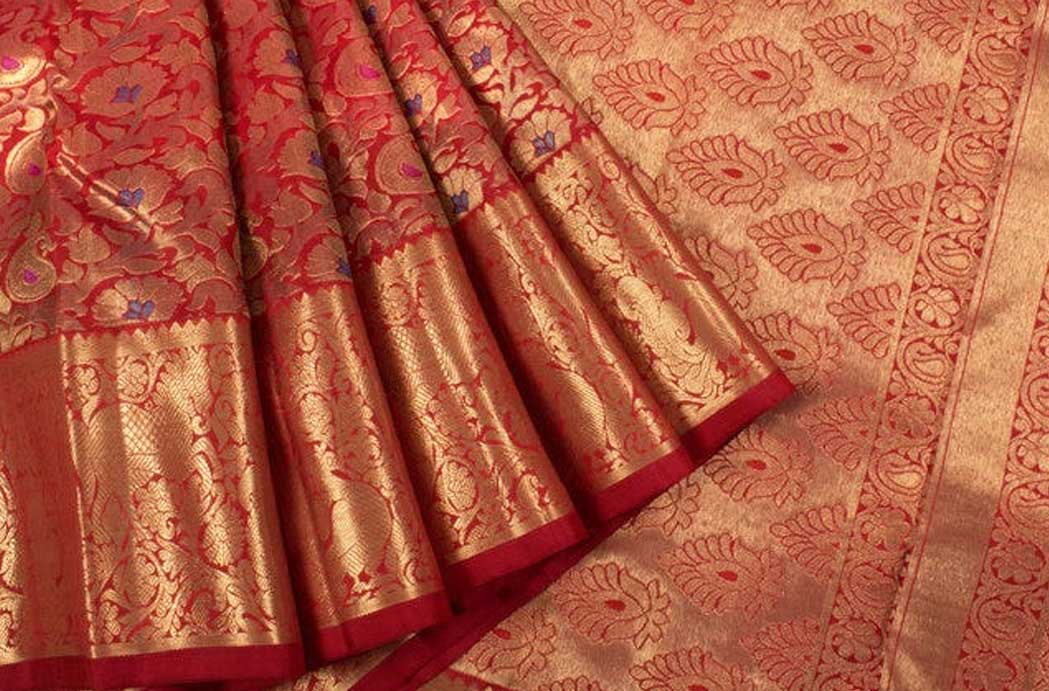
Textile patterns have long been a significant part of cultural identity across different societies worldwide. They ikeaonlineshop.com are deeply rooted in history, tradition, and the unique characteristics of each culture. These patterns are more than just designs or decorative elements; they tell stories, depict social status, express personal beliefs, and reflect various aspects of life.
The impact of textile patterns on cultural identity is profound as they serve as a form of non-verbal communication that conveys messages p2tron.com about a community’s values and traditions. For instance, in African cultures like Ghana and Nigeria, Kente cloth and Ankara fabrics respectively feature vibrant colors and intricate patterns that symbolize societal codes and narratives passed down through generations. Similarly, Scottish tartans represent specific clans or regions while Batik from Indonesia tells tales about their folklore.
These traditional textiles act as visual languages that encapsulate histories often dating back hundreds or even thousands of years. The motifs used in these textiles can be representative of natural elements such as animals or plants endemic to the region or abstract concepts like protection against evil spirits. For example, Japanese Kimonos display motifs such as cherry blossoms representing beauty or cranes signifying longevity while Navajo rug weaving incorporates geometric shapes reflecting spiritual symbolism.
Moreover, textile patterns also element-vapes.com play an instrumental role in preserving cultural heritage by maintaining continuity with the past. They create a sense of belonging among individuals within a community by instilling pride for their shared history ishqtequila.com and collective whycrack.com memory. This aspect becomes particularly crucial for diaspora communities who seek to retain connections with their homelands through these tangible expressions of their roots.
However, it’s essential to note that while textile patterns contribute socialsimplifiedllc.com significantly to defining cultural identities, they are not static but evolve over time influenced by socio-economic changes, technological advancements and cross-cultural interactions. As societies grow more globalized today than ever before; there is an increasing exchange between different cultures leading to fusion designs where traditional motifs merge with contemporary aesthetics creating new hybrid identities.
This dynamic alibraryandgarden.com nature of textile patterns also reflects the resilience and adaptability of cultures in an ever-changing world. For instance, many indigenous communities are reviving their traditional weaving techniques while incorporating modern designs to cater to contemporary tastes, thus ensuring their cultural survival.
In conclusion, textile patterns are integral components of cultural identity acting as visual narratives that encapsulate a community’s history, values and beliefs. They foster a sense of belonging among individuals within a culture while also adapting and evolving with societal changes. As such, they deserve recognition not merely for their aesthetic appeal but more importantly freehealthytopics.com for their significant role in shaping human societies across the globe.